
How Solar Panels Reduce Electricity Bills Efficiently
Solar energy is rapidly transforming the global energy landscape. With advancements in technology and increasing affordability, more homeowners and businesses are switching to solar power. The shift towards solar energy is not just an environmental necessity but also an economically beneficial choice.
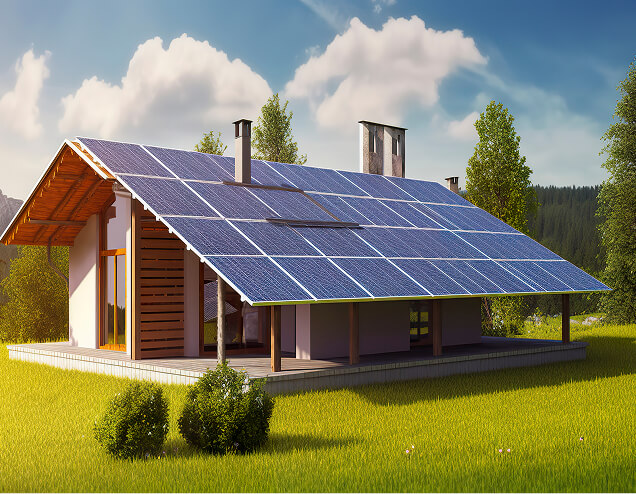
What is Solar Energy?
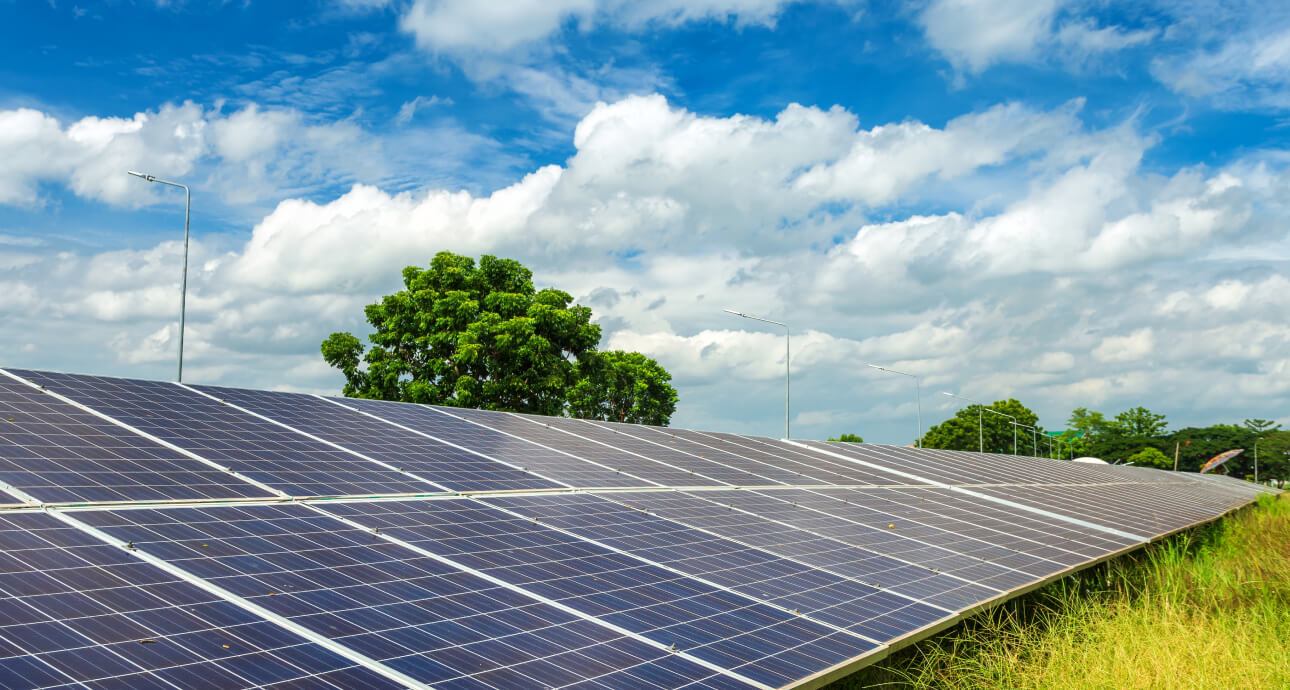
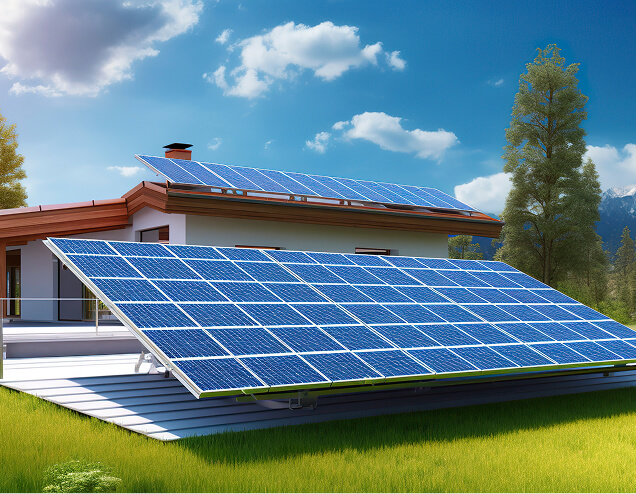
Solar energy is the power harnessed from the sun’s radiation. Using photovoltaic (PV) panels, sunlight is converted into electricity, reducing dependence on fossil fuels. This process is efficient and can be utilized in various applications, including residential, commercial, and industrial sectors.
Benefits of Solar Energy
1. Renewable & Sustainable
Unlike fossil fuels, solar energy is limitless and environmentally friendly, making it a sustainable choice for the future. It does not produce harmful emissions, reducing the overall carbon footprint.
2. Reduces Electricity Bills
Installing solar panels can significantly cut down energy costs, allowing homeowners and businesses to save money over time. Many governments also offer incentives and tax benefits for adopting solar energy.
“Investing in solar energy today ensures a cleaner and greener future for generations to come. The rapid development of solar technology is making it more affordable and accessible. As more individuals and businesses transition to renewable energy sources.”
Renewable Energy Advocates
3. Low Maintenance Costs
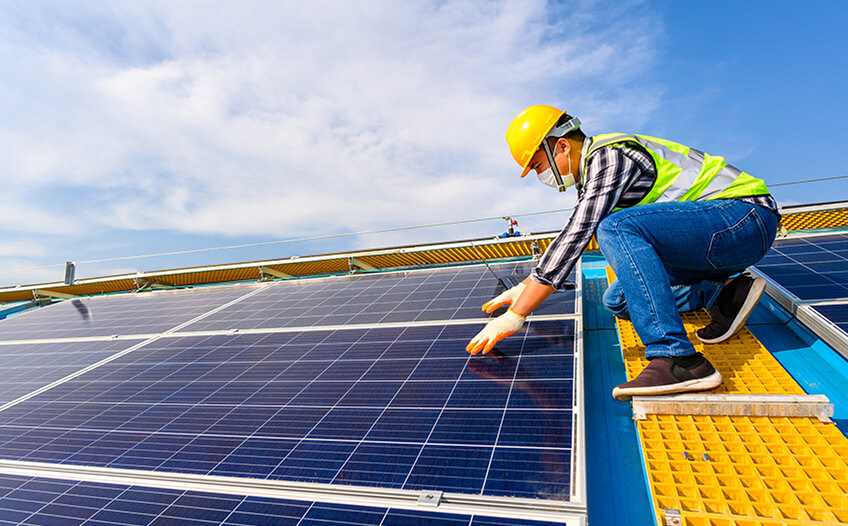
Once installed, solar panels require minimal maintenance. Regular cleaning and occasional servicing ensure optimal performance. Most solar panels come with long-term warranties, ensuring reliability.
How Solar Panels Work
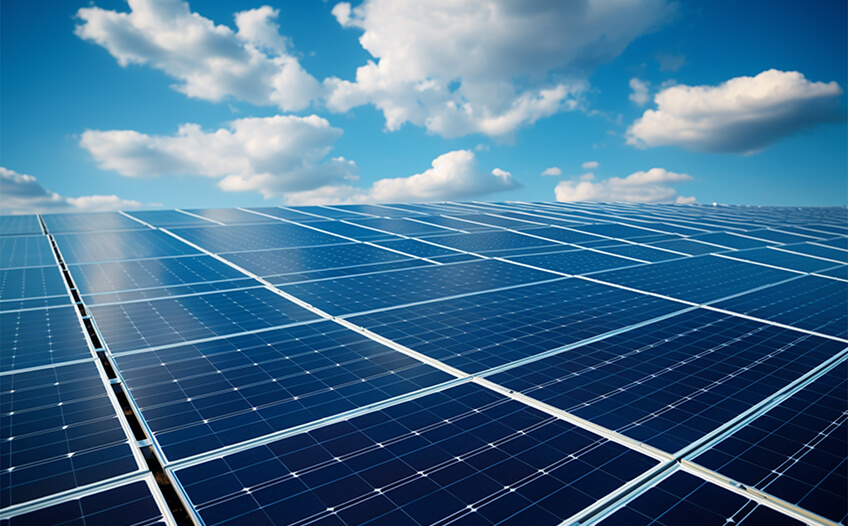
Solar panels absorb sunlight and convert it into direct current (DC) electricity. An inverter then transforms it into alternating current (AC), which powers homes and businesses. The efficiency of this process has improved with modern advancements, making solar energy more accessible than ever.
Types of Solar Energy Systems
1. Grid-Tied Systems
These systems are connected to the utility grid, allowing users to draw power when needed and send excess electricity back to the grid. This setup is ideal for areas with reliable electricity infrastructure.
2. Off-Grid Systems
Perfect for remote areas, off-grid solar systems operate independently, using batteries to store energy for nighttime and cloudy days. They offer self-sufficiency and independence from utility providers.
3. Hybrid Systems
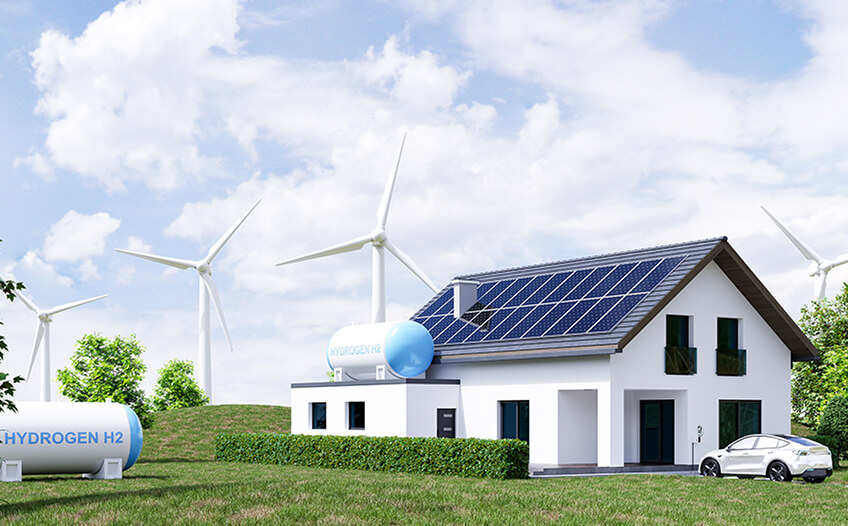
Combining solar panels with battery storage and grid access, hybrid systems offer a flexible and reliable energy solution. They ensure power availability even during grid failures.
The Future of Solar Energy
With continuous advancements, solar energy will play a vital role in achieving global sustainability goals. Governments and organizations are investing heavily in solar technology, making it more accessible and efficient. The integration of artificial intelligence and smart grid solutions is further enhancing the performance of solar energy systems.